
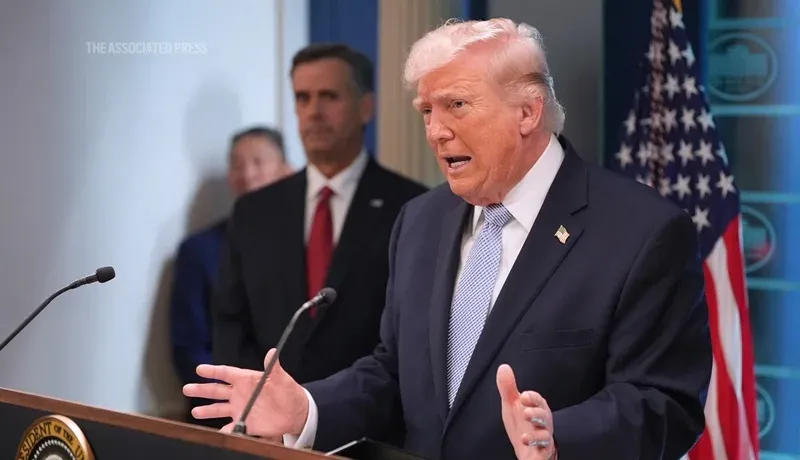
Oil prices fell below $100 per barrel on Wednesday, April 8, 2026, after U.S. President Donald John Trump announced a two-week ceasefire agreement with Iran, subject to the immediate and safe reopening of the Strait of Hormuz.
Brent crude dropped $14.84, or 13.6%, to $94.43 per barrel, while WTI crude declined by $16.13, or 14.3%, to $96.82 per barrel as of 00:23 GMT.
Trump’s reversal came shortly before his deadline for Iran to reopen the Strait of Hormuz, through which about 20% of the world’s oil supply passes, or face widespread attacks on its civilian infrastructure.
“This will be a double-sided ceasefire!” he wrote on social media, after earlier posting on Tuesday that “a whole civilisation will die tonight” if his demands were not met.
Iran indicated it would halt its attacks if strikes against it ceased, adding that safe transit through the Strait of Hormuz would be allowed for two weeks in coordination with its armed forces, according to a statement by Foreign Minister Abbas Araqchi on Wednesday.
However, several Gulf states reported missile launches and drone attacks, while others issued warnings urging civilians to take shelter.
“Even with a peace deal, Iran may be emboldened to threaten the Strait of Hormuz more frequently in the future, and the market will price in heightened risk to the waterway going forward,” MST Marquee analyst Saul Kavonic said.
The U.S.-Israeli conflict with Iran drove the steepest monthly oil price increase in history in March, with prices rising by more than 50%.
Trump said the U.S. had received a 10-point proposal from Iran, which he described as a workable basis for negotiations, adding that both sides were making significant progress towards a long-term peace agreement.
“It’s a good start and could pave the way for a more permanent reopening, but there are still many uncertainties to resolve,” IG analyst Tony Sycamore noted.
WTI has maintained a price premium over Brent, reversing typical market patterns due to its May delivery contract, while Brent is priced for June delivery. This reflects a stronger demand for earlier shipments.